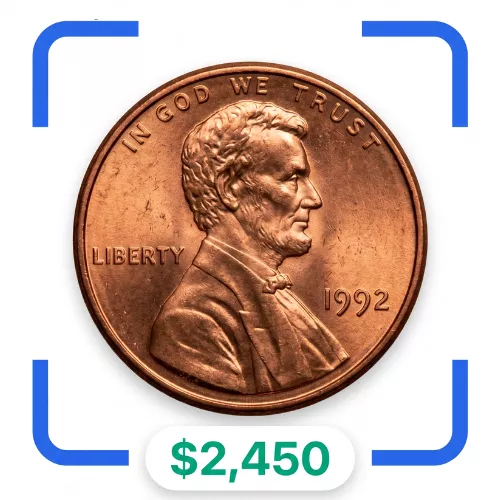


The San Francisco Mint struck this Lincoln penny back in 1912.
Early branch mint Lincoln cents are known for having much lower production numbers than coins made in Philadelphia.
The San Francisco facility produced pennies in relatively small batches during these early years.
Most of these pennies immediately entered daily circulation across the western states.
People spent them on newspapers, transit rides, and groceries for decades.
Because copper reacts easily with air, moisture, and skin oils, almost all of these pennies turned brown over time.
Finding an early S-mint cent that kept its original fiery copper glow is genuinely difficult.
A premier example of this coin crossed the auction block through Heritage Auctions.
Bidders competed until the final price reached an impressive $27,600.
The coin was certified in Mint State Red condition by a major grading service.
A Mint State grade means the penny never circulated in public commerce.
The Red color designation means the coin still shows at least 95 percent of its original mint luster.
Keeping bright red copper intact for over a century requires ideal storage conditions away from humidity and sunlight.
Top collectors pay steep premiums whenever a certified piece of this caliber surfaces at auction.
Record sales like this represent top-tier preserved pieces rather than ordinary pocket change.
Condition rarity is the biggest factor behind this coin's five-figure value.
You can find circulated 1912-S cents in worn brown condition relatively easily at coin shops.
The story changes completely when you look for uncirculated specimens with full red surfaces.
Copper naturally tones down to red-brown and eventually deep brown as it oxidizes.
Only a tiny fraction of the original mintage escaped the wear of daily trade in original red state.
The Lincoln series is also one of the most widely collected sets in American numismatics.
Many serious collectors build registry sets and compete fiercely for the finest known examples of early dates.
When high collector demand meets an extremely low supply of Red survivors, prices climb quickly.
Checking your coin requires looking closely at two specific areas on the front face.
First, check the date below Abraham Lincoln's shoulder to make sure it reads 1912.
Next, look directly below the date for the small S mint mark.
Use a magnifying glass or a 5x jeweler's loupe to inspect the mint mark clearly.
Make sure the mint mark is genuine and shows no signs of being added or altered.
Examine the overall surface color under good, direct lighting.
A full red coin will show vibrant, fiery copper color across both sides rather than dark chocolate tones.
If you need quick assistance sorting your finds, you can scan the piece with Coin Value Checker to get initial feedback.
Remember that worn or brown coins carry much lower values than pristine, certified red coins.
Never clean or wipe a coin to make it look brighter, as cleaning destroys numismatic value permanently.
Want to let software do the matching? our breakdown of each free coin identifier apps we tried is designed for it.
Upload a photo and get an instant value, grade estimate, and error check — no jargon, no sign-up required.