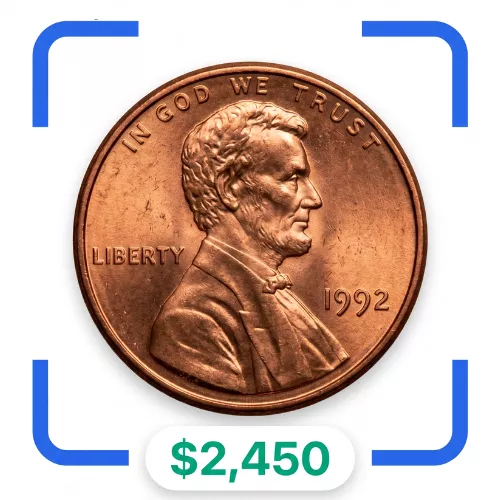


The 1915-S Lincoln cent came out of the San Francisco Mint during the early years of the series.
World War I had already started in Europe when these pennies were struck.
San Francisco produced far fewer cents than Philadelphia in those days.
Most of the pennies struck in 1915 went straight into daily circulation.
People used them to buy newspapers, candy, and streetcar rides.
Because of heavy daily use, very few pieces survived without wear.
Even fewer pieces managed to keep their original bright copper color over the decades.
Finding an early branch-mint cent with full red color is a major challenge for collectors.
A top-quality 1915-S Lincoln cent sold for an eye-catching $48,300 at Heritage Auctions.
Professional coin graders certified the coin as MS Red.
The MS stands for Mint State, which means the coin has zero wear from circulation.
The Red designation means the copper retains at least ninety-five percent of its original mint luster.
Copper reacts quickly to oxygen, moisture, and skin oils.
Most old pennies turn brown or red-brown within a few years of release.
A coin that stays completely red for over a century is exceptionally scarce.
Serious collectors will pay huge sums to add pristine red examples to their sets.
This auction record represents the absolute peak of the market for this specific date and mint.
This coin ranks at number 33 out of the top 200 most valuable coins on the list.
Its high market value comes down to extreme condition rarity.
Early San Francisco issues are famous for having low original outputs.
Back in 1915, very few collectors saved whole rolls of new pennies from the western mints.
Most survivors found today show heavy wear, scratches, or dark brown toning.
Full-red specimens from this era are tough to find in any uncirculated grade.
Lincoln cent enthusiasts often build complete sets graded by color category.
The competition between advanced collectors pushes prices higher whenever a full-red example appears.
A typical brown 1915-S penny is still collectible, but it brings nowhere near the record price.
Start by looking closely at the front of your coin under good lighting.
You can use a small magnifying glass or a ten-power jeweler loupe for a clear view.
Check the date on the right side of Abraham Lincoln's portrait to confirm it reads 1915.
Look directly below the date for a tiny letter S.
The S mint mark indicates the coin was struck at the San Francisco facility.
If there is no letter below the date, the penny was made in Philadelphia.
Next, evaluate the color of the copper metal across both sides.
A true red cent should look bright orange or copper-colored, just like a newly minted penny.
If the coin appears mostly chocolate brown or dark tan, it falls into the Brown or Red-Brown categories.
Make sure the coin has not been cleaned or polished with chemicals to fake a bright look.
Cleaned coins show unnatural hairlines, dull surfaces, and lose their collector value quickly.
You can use CoinKnow or the Coin Value Checker app on your smartphone to scan your penny and get a quick initial assessment.
Keep in mind that high-dollar records belong only to certified, uncirculated specimens.
If your coin shows sharp details and original mint gloss, consider having a reputable grading service evaluate it.
For everyday change sorting, see this comparison of every free coin identifier apps worth trying.
Upload a photo and get an instant value, grade estimate, and error check — no jargon, no sign-up required.