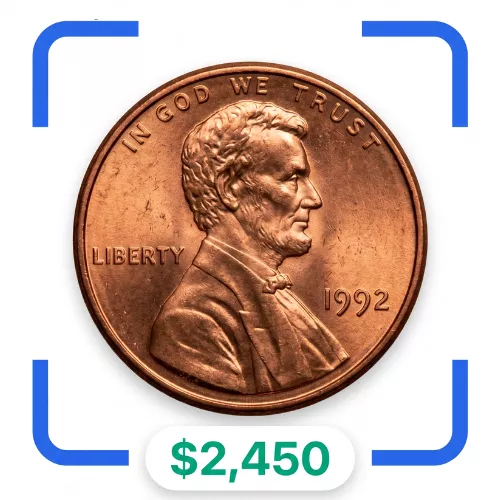


The 1926 Lincoln cent is a well-known coin struck at the Philadelphia Mint.
The United States Mint produced these pennies during the height of the 1920s.
Like other early Lincoln cents, workers made this coin out of a standard bronze alloy.
Philadelphia did not use a mint mark on pennies at this time.
Because of that tradition, the space under the date on the front is completely smooth.
Many of these cents went straight into everyday cash registers across the country.
They helped pay for daily newspapers, penny candy, and streetcar rides.
Finding an everyday worn piece from this year is still relatively easy for collectors.
Finding one that looks like it just left the coin press is a completely different story.
A top-quality 1926 penny once crossed the auction block at Heritage Auctions.
The winning bidder paid $36,000 to add this specific coin to their collection.
The coin earned a Mint State grade from a major grading service.
A Mint State rating means the coin never circulated in daily commerce.
It shows zero wear on the high points of Lincoln's cheek, jaw, or hair.
The auction house presented a piece that preserved its full original mint luster.
High-end registry collectors often compete fiercely for pennies in this tier of preservation.
That intense bidding drove the final hammer price up to this impressive record.
The huge price tag on this coin comes down to pure condition rarity.
Millions of cents left the Philadelphia Mint in 1926, so the date itself is not rare in circulated grades.
Most examples spent years bouncing around in pockets, purses, and piggy banks.
Over time, handling wore away the fine details and dulled the bright surfaces.
Exposure to moisture and air also caused most surviving coins to turn a dark brown color.
Very few people thought to put pristine rolls aside in proper storage back in 1926.
Because of that lack of care, coins surviving in flawless condition are exceptionally scarce.
Serious Lincoln cent enthusiasts need top-tier coins to build the highest-ranked sets.
When an exceptional Philadelphia coin appears on the market, collectors are willing to pay top dollar for it.
You can identify this coin by looking closely at the front design.
Check the date placed on the right side of Abraham Lincoln's portrait.
You should see the four digits 1926 clearly stamped into the metal.
Look directly below the date to check the mint mark area.
A genuine Philadelphia coin has no letter underneath the numbers.
If you see a small letter D or S, you have a coin struck in Denver or San Francisco instead.
Grab a small magnifying glass or a jeweler loupe to check the coin's overall surface quality.
Look at the lines in Lincoln's hair and the tips of the wheat stalks on the back.
If you see any flatness or gray color on those high spots, the coin has seen circulation.
A quick scan with Coin Value Checker can help you identify what you have before you look into professional grading.
Keep in mind that heavily worn pocket change from 1926 only carries modest value.
Only coins that survive in truly pristine, certified condition can achieve five-figure auction records.
Want the short version of all this? our roundup of the best free coin identifier apps options gives you a price from a photo.
Upload a photo and get an instant value, grade estimate, and error check — no jargon, no sign-up required.