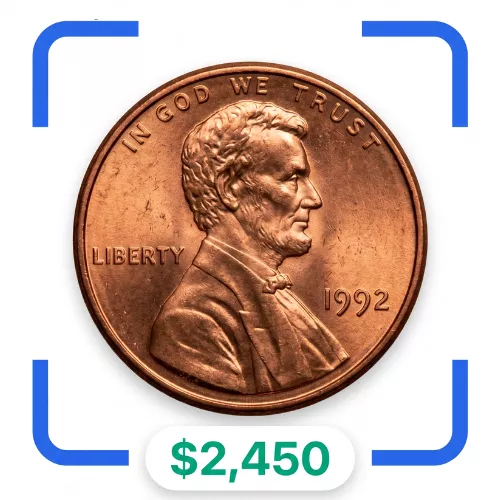


The 1928-S penny is a classic entry in the long-running Lincoln Cent series.
The San Francisco Mint struck this copper piece back in 1928.
You can tell where it came from by looking for the small "S" mint mark under the date.
San Francisco pennies from the 1920s have a reputation among collectors for rough strikes.
Many of these cents left the mint with soft details and uneven color.
Finding one preserved with its original fiery copper luster is a serious challenge.
That is why this date holds rank 38 out of the top 200 most valuable coins in our registry.
A top-tier example of this coin brought an eye-opening $45,600 at Heritage Auctions.
The coin was certified in Mint State Red condition.
In the coin hobby, Mint State means the piece never saw actual daily spending.
The "Red" label means the copper kept at least 95 percent of its original bright factory glow.
Most old pennies turn brown or dull red-brown as the metal reacts with air over time.
Professional grading services look closely at surface preservation before granting a full Red designation.
High-end buyers will pay massive premiums when a certified piece reaches this grade level.
Condition rarity is the main reason this penny commands such huge money.
Circulated 1928-S pennies are not hard to find in pocket change or old jars.
Those worn, brown examples are worth only a modest amount to collectors.
The big money only follows the coin when it survives in exceptional full-red condition.
San Francisco dies during this era often produced weak Lincoln hair details and faint wheat stalks.
A sharp strike combined with bright surfaces makes an example almost impossible to replace.
Cent collectors building elite registry sets compete hard whenever a top specimen appears.
That intense buyer competition pushes auction records higher over time.
You can check your own coin by following a few simple steps.
Grab a basic magnifying glass or a 5x jeweler loupe.
Look at the front of the coin just beneath the 1928 date.
You need to spot a clear "S" mint mark stamped directly below the numbers.
If there is no letter below the date, the coin was made in Philadelphia instead.
Next, check the color under good, natural lighting.
A high-value piece must show vivid, original copper-red luster across both sides.
If the coin looks chocolate brown or dark olive, it will not command record prices.
Watch out for cleaned coins that have an unnatural, harsh pink shine.
You can use CoinKnow or Coin Value Checker on your phone to scan the coin and get a fast first opinion.
Never clean an old penny with chemicals or cloth, because any rubbing ruins its numismatic value instantly.
A quick photo scan beats manual lookup most days — see the free coin identifier apps tools we tested side by side.
Upload a photo and get an instant value, grade estimate, and error check — no jargon, no sign-up required.