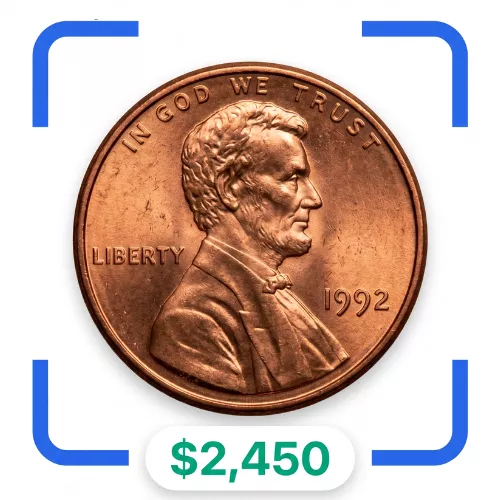


The Denver Mint struck this bronze penny in 1931 during the depths of the Great Depression.
Economic hardship across the nation meant that commerce slowed down sharply.
Because fewer people were spending money, banks did not need many new coins.
The Denver facility produced a very low number of cents that year to match the low demand.
This issue has long been recognized as a key date in the Lincoln cent series.
Finding one with original red copper color makes it even more special to collectors.
Most of these pennies circulated heavily in daily trade and quickly turned brown.
A top-quality example of this coin brought an eye-catching $21,600 at Heritage Auctions.
Professional grading services evaluated the penny as Mint State Red.
Mint State means the piece never entered circulation and shows zero wear on its surfaces.
The Red designation means the copper retained nearly all of its original bright orange-red luster from the day it was struck.
Bidders competed fiercely because finding this date in pristine condition is extraordinarily difficult.
Certified coins at this level represent the finest known survivors of their issue.
A high-grade specimen like this commands a massive premium over typical worn examples.
The main driver of value here is condition rarity combined with an already low production run.
Copper is a chemically active metal that reacts easily with oxygen, moisture, and skin oils.
Most 1931-D pennies tone to brown or develop dark spots over time.
Very few people during the Great Depression had the spare money to save brand-new rolls of pennies in protective storage.
As a result, a 1931-D in full-red condition is exceptionally rare today.
Lincoln cent enthusiasts often build complete sets graded by color and strike quality.
Collectors willing to pay top dollar will actively hunt for coins that keep their full red brilliance.
When an elite survivor appears at a major public sale, demand easily outpaces supply.
You can check your own coins at home with a few simple inspection steps.
Start by looking at the date on the front of the coin to the right of Lincoln's portrait.
Confirm that the date reads 1931.
Look directly below the date for a small "D" mint mark.
The "D" indicates that the Denver Mint struck the piece.
If there is no mint mark below the date, the coin was struck in Philadelphia instead.
Use a magnifying glass or a 10x jeweler's loupe to inspect the mint mark closely for any damage or tooling.
Examine the color of the copper under a good desk lamp.
To qualify as a full red coin, the surface must show brilliant copper color across at least ninety-five percent of both sides.
If you have trouble judging the color or details on an old penny, you can use CoinKnow to scan the piece for a quick initial assessment.
Check the highest points of Lincoln's cheek and jaw for any signs of friction or dullness.
Any light wear drops the coin out of the uncirculated Mint State category.
Keep in mind that typical pocket-change finds will show heavy brown toning and standard circulation wear.
Only flawless, certified coins with full original red luster will ever reach record-setting prices.
For a fast answer with zero setup, take a look at our breakdown of each free coin identifier apps we tried.
Upload a photo and get an instant value, grade estimate, and error check — no jargon, no sign-up required.