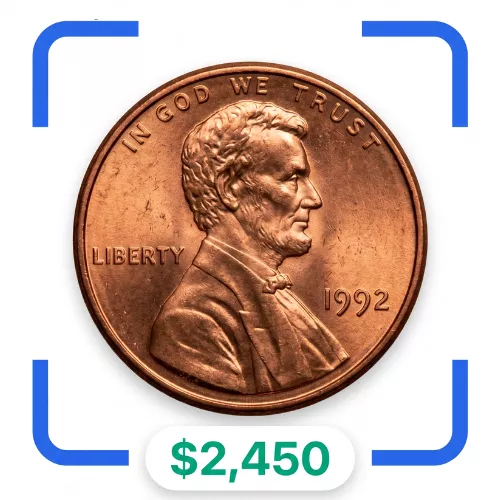


The Denver Mint struck this Lincoln cent during the middle of the Great Depression in 1934.
Most pennies from this period went straight into daily circulation to buy bread and everyday goods.
People spent every cent they had, so very few preserved these coins in uncirculated condition.
Copper reacts quickly with moisture, oxygen, and skin oils over time.
Because of that natural chemistry, almost every surviving 1934 Denver cent turned brown or developed spots decades ago.
Finding one today that retains its bright copper glow makes it an exceptional survivor in the series.
A premier example of the 1934-D Lincoln cent crossed the block at Heritage Auctions.
Bidders competed aggressively until the winning price reached an astounding $20,350.
The coin was certified in Mint State Red condition, which numismatists shorten to MS RD.
A red designation means the copper retains almost all of the fiery orange color it had the moment it left the coin press.
Grading services award the RD color grade only when at least ninety-five percent of the surface displays original mint color.
A price tag this high reflects a certified record for a coin preserved at the highest possible quality level.
Everyday pocket change from 1934 will not command this kind of money.
The main factor behind the strong price is condition rarity.
While the Denver Mint made millions of pennies in 1934, only a tiny fraction escaped heavy wear.
Copper coins degrade far faster than silver or gold coins when exposed to air.
A 1934-D cent in full-red condition represents a true statistical outlier.
Lincoln cent collectors love assembling complete sets where every single piece matches in bright red color.
When two or more dedicated collectors need the same pristine date to finish a top-ranked set, bidding wars drive prices up rapidly.
The combination of low surviving quantities in top grades and relentless collector demand creates this high market value.
Start your inspection by checking the front of the coin right below the date.
Look for the small "D" mint mark stamped beneath the numbers 1934.
If there is no letter below the date, the Philadelphia Mint made your penny instead.
Use a 5x or 10x jeweler's loupe under good desk lighting to examine the surface color and details.
Check Lincoln's cheekbone, jawline, and the wheat stalks on the back for any signs of friction or dullness.
A genuine red coin must show glowing, original copper luster without dark chocolate toning or faded brown patches.
Be careful not to confuse a natural red coin with a cleaned coin that was dipped in harsh chemicals to look bright.
A cleaned penny usually looks unnaturally pink or washed out and lacks the spinning light reflection of original mint luster.
If you want a fast preliminary check on your coin, scanning it with Coin Value Checker can help you confirm the date, mint mark, and basic details before you consult an expert.
Always hold your coin by the edges so the oils on your fingertips do not ruin the delicate copper surfaces.
For everyday change sorting, see our roundup of the best free coin identifier apps options.
Upload a photo and get an instant value, grade estimate, and error check — no jargon, no sign-up required.