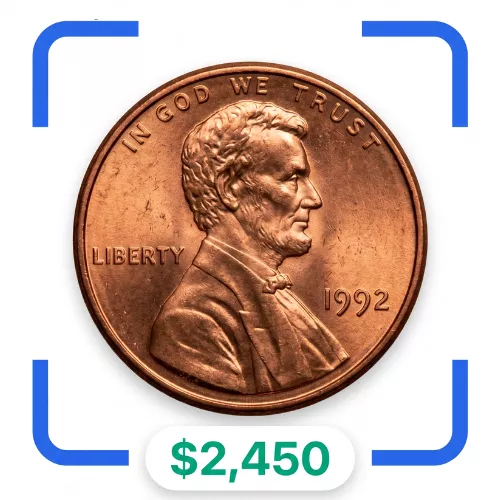


The 1939 Lincoln cent comes from a classic era in American coinage.
The Philadelphia Mint struck this copper penny right before the start of World War II.
It is a standard regular issue coin from the beloved Lincoln Cent series.
Because it was made in Philadelphia, it does not have a mint mark below the date.
Most pennies from this year were spent immediately and passed from hand to hand for decades.
Finding one today that survived in its original factory state is a completely different story.
This particular piece stands out on our top list at rank 53 out of 200 high-value coins.
A pristine example of this coin brought a massive $36,000 at Heritage Auctions.
The coin was certified in top-tier MS Red condition.
The MS stands for Mint State, which means the coin never circulated in daily commerce.
The Red designation means the copper kept nearly all of its original fiery orange color from the day it was struck.
Professional grading companies only give this color grade to copper coins with at least 95 percent of their original red surface intact.
Top collectors compete fiercely when a piece of this quality crosses the auction block.
A certified grade guarantees both the state of preservation and the authenticity of the metal.
That level of security allows serious buyers to bid tens of thousands of dollars with confidence.
This coin is a true condition rarity.
Philadelphia made plenty of pennies in 1939, but very few survived without damage or heavy wear.
Copper is a very reactive metal that naturally darkens over time.
Exposure to air, moisture, and skin oils turns bright copper into a brown or reddish-brown shade.
A 1939 Philadelphia cent in full-red condition is an extreme outlier.
The surfaces on record-setting coins are smooth, bright, and practically free of contact marks.
Lincoln cent enthusiasts try to build complete sets in the highest possible grade.
When multiple registry set collectors need the same flawless coin, the price can skyrocket quickly.
Your average pocket change find will not bring this kind of money.
The huge price tag belongs only to the finest preserved survivors known to exist.
You can inspect your penny with a few simple steps at home.
First, look at the front of the coin under a good light source.
Check the date on the right side of Lincoln's portrait to confirm it reads 1939.
Look directly below the date to make sure there is no mint letter.
A blank space under the year confirms it was struck in Philadelphia.
Next, use a 5x or 10x magnifying glass to look at the color and the fields.
You want to see a bright, glowing red luster rather than a dull brown tone.
Check the high points on Lincoln's cheek and jaw for any signs of friction or dullness.
If you want a quick opinion before paying for professional grading, you can scan the piece with CoinKnow or Coin Value Checker on your phone.
These apps give you a fast starting point so you can see if your coin warrants a closer look.
Keep in mind that common brown coins from this year are very ordinary.
Only an uncirculated piece with full original red color can reach the top levels of the market.
The easiest way to check worth is a phone scan — see our breakdown of each free coin identifier apps we tried.
Upload a photo and get an instant value, grade estimate, and error check — no jargon, no sign-up required.