

The United States Mint struck pennies out of zinc-coated steel during 1943 to save copper for the war effort.
By 1944, the mint switched back to brass planchets made from recycled shell casings.
A few leftover steel blanks from the previous year still remained in the supply bins at the Denver Mint.
Workers fed those stray steel planchets into the presses along with the new brass metal.
The result was the 1944-D steel Lincoln cent, one of the most famous wrong-metal errors in American coinage.
Only a tiny handful of these coins ever made it past the factory floor and into circulation.
A top-condition 1944-D steel cent sold for $115,000 through Heritage Auctions.
The coin crossed the auction block with a certified Mint State grade.
A Mint State grade means the coin never saw daily spending and shows no wear on its highest details.
Uncirculated wartime steel errors are tough to find because the zinc coating easily corrodes over time.
When an example survives with clean surfaces and full original luster, advanced collectors bid aggressively for it.
High prices like this belong strictly to verified, professionally graded specimens in exceptional condition.
Steel cents from 1944 are rare across all mint facilities, but the Denver striking is the hardest to find.
Experts estimate that fewer than 10 genuine 1944-D steel cents exist anywhere in the world.
That tiny survival estimate makes it substantially rarer than the Philadelphia and San Francisco versions from the same year.
The Lincoln cent series has millions of dedicated collectors, creating huge competition whenever a key error appears.
Demand stays high because this coin represents a true wartime manufacturing accident.
A collector trying to build a complete set of off-metal Lincoln cents cannot finish the set without one.
The mix of extreme scarcity and historic appeal keeps values firmly at the top of the numismatic market.
You can begin checking your coin with a simple magnet test.
Standard bronze 1944 pennies do not stick to a magnet at all.
A genuine 1944-D steel penny will stick firmly to any standard household magnet because of its iron core.
Next, check the date and mint mark under good light and low magnification.
Look for the date 1944 with a small "D" stamped directly beneath the numbers.
The coin should have a dull silvery-gray color rather than the warm reddish-brown of copper.
You can also check the weight using a precise digital gram scale.
A genuine steel cent weighs approximately 2.70 grams, while a normal bronze cent weighs about 3.11 grams.
Be careful of altered coins, since people often coat normal 1944 pennies in zinc or alter dates on genuine 1943 steel cents.
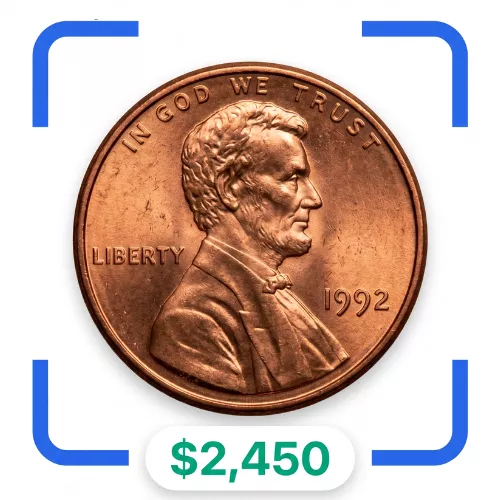
If you want a quick initial scan before paying for grading, an app like Coin Value Checker can help you double-check key date details and basic features.
Any potential steel 1944 cent must be submitted to a major certification service like PCGS or NGC for official authentication.
Want to avoid a trip to the coin shop? the free coin identifier apps picks that held up in testing covers the basics.
Upload a photo and get an instant value, grade estimate, and error check — no jargon, no sign-up required.