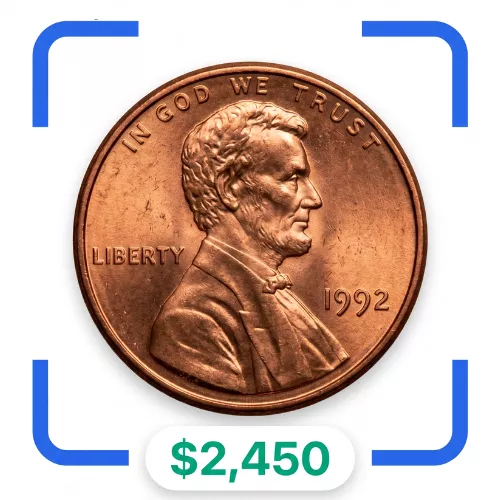


The Philadelphia Mint struck this Lincoln cent in 1945 as World War II came to an end.
Pennies from this year returned to the classic copper alloy after the experimental steel cents of 1943.
The Philadelphia facility made hundreds of millions of pennies in 1945.
Most of these pennies entered daily pocket change immediately.
They helped people buy newspapers, groceries, and bus rides across the country.
Because so many were made, finding a generic 1945 penny is not hard at all.
Finding one that looks like it just left the coin press, however, is a completely different story.
This piece holds the number 83 spot on our list of the 200 most valuable pennies.
Heritage Auctions sold a premier example of this coin for an astounding $20,400.
Professional coin graders certified the piece in Mint State Red condition.
The Red designation, often shortened to RD, is critical for copper coins.
It means the penny retains nearly all of its original, fiery mint luster.
Copper naturally turns brown or red-brown over time as it reacts with air and moisture.
A coin graded MS Red shows none of the wear from circulation and no heavy tarnish.
Bidders competed aggressively because pristine surviving specimens from 1945 are exceptionally scarce.
This massive sale price represents the very top of the market for this specific issue.
A typical circulated penny from your pocket will not sell anywhere near this level.
Value in the coin world often comes down to condition rarity rather than total mintage.
The Philadelphia Mint produced plenty of pennies in 1945, so the date itself is common.
What makes this specific coin valuable is its full-red color and flawless surface preservation.
During the 1940s, the mint ran its coin presses hard to keep up with wartime commerce.
Many coins left the dies with weak details, surface contact marks, or planchet flaws.
Finding a strike that combines sharp details with bright, original orange-red surfaces is tough.
Lincoln cent enthusiasts build registry sets where every single coin must be the finest known example.
These dedicated collectors will pay thousands of dollars just to own a slightly higher grade.
That intense collector demand drives record-setting prices when the finest pieces cross the auction block.
You can inspect your own penny with a simple handheld magnifying glass and a good lamp.
First, look at the date on the right side of Lincoln's portrait to confirm it reads 1945.
Check the space directly underneath the date.
If there is no mint mark, your penny was made at the main facility in Philadelphia.
Next, examine the overall color and surface quality of the metal.
Look for bright, shiny copper rather than dull brown or spotted surfaces.
A full-red coin will look like a freshly minted piece straight from a new bank roll.
Tilt the coin gently under your light to see if a cartwheel luster spins across the fields.
Check Lincoln's cheek, jawline, and coat for any signs of rubbing or dull wear spots.
If you want a fast way to check your change, the CoinKnow app can help you identify dates and mint marks right from your phone.
You can also use Coin Value Checker to look up typical market prices before deciding whether to have a coin professionally graded.
Be careful not to confuse a truly original red coin with one that has been chemically cleaned.
Cleaned pennies look unnatural and pinkish, while authentic mint-state coins show deep, glowing luster.
For anyone working through a pile, this comparison of every free coin identifier apps worth trying saves real time.
Upload a photo and get an instant value, grade estimate, and error check — no jargon, no sign-up required.