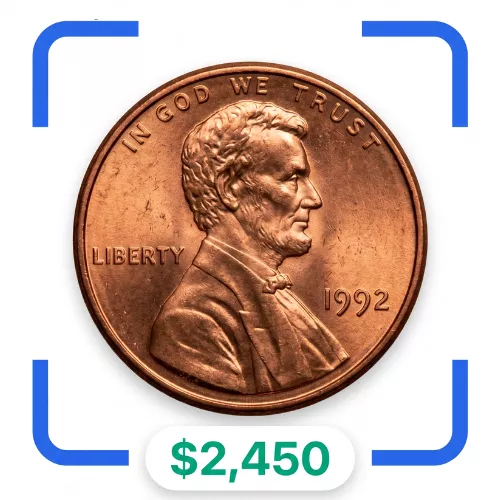


The Denver Mint struck the 1956-D Lincoln cent in massive numbers during the mid-1950s.
This classic penny is made mostly of copper, giving freshly minted pieces a bright, reflective glow.
You can instantly tell it came from Denver because of the small "D" stamped right below the date.
Most of these pennies ended up in daily circulation, passing through hands and cash registers across the country.
As a result, finding an original 1956-D cent that escaped wear, fingerprints, and spotting is surprisingly tough.
It ranks at number 89 among the top 200 most valuable coins in this series because of its extreme condition rarity.
Collectors pay special attention to this issue whenever an untouched, fiery specimen appears on the market.
A top-tier example of this penny turned heads when it sold through Heritage Auctions.
The winning bidder paid an astonishing $18,000 for the coin.
Professional coin graders certified this piece in Mint State Red condition.
Mint State means the penny never saw any circulation and still carries its original factory luster.
The "Red" designation means the copper retained at least 95 percent of its original, fiery color from the day it was struck.
Copper tends to oxidize and turn brown very quickly when exposed to air and moisture.
To reach a price like $18,000, a coin has to sit at the absolute peak of certified preservation.
Keep in mind that typical pocket change examples will never sell for this kind of money.
The primary driver behind this high value is condition rarity rather than total mintage.
The mint produced plenty of pennies that year, but very few survived without surface blemishes.
Copper is a very chemically reactive metal that stains, spots, and turns dull over decades.
A full-red surface requires ideal storage conditions from the exact moment the coin left the press.
Many 1956-D pennies turned brown or developed dark carbon spots over the last several decades.
Lincoln cent collectors love building high-grade sets where every coin matches in brilliant red color.
When two or more dedicated collectors compete for one of the finest known specimens, the bidding climbs rapidly.
It takes an immaculate coin with flawless surfaces and booming luster to command five figures.
Start by checking the front of the coin under a good, direct light source.
Look to the right of Lincoln's chest for the date "1956".
Look directly below the numbers to confirm the presence of the "D" mint mark.
Next, evaluate the color of the copper under standard room lighting.
A true "Red" cent will look bright orange or peach, not dull brown or dark chocolate.
Use a 5x or 10x jeweler's loupe to inspect the surfaces for tiny contact marks or hairline scratches.
Look closely at Lincoln's cheek, jawline, and coat for any signs of friction or rubbing.
Check the reverse wheat stalks to ensure the fine lines at the tips remain sharp and unworn.
If you are not sure what you have, you can use the CoinKnow app to do a quick first pass on your coin.
The Coin Value Checker app can also help you identify basic details before you decide to seek a professional grading opinion.
Do not clean your penny with chemicals or cloths, as cleaning destroys the original surface luster instantly.
A genuine high-value specimen must show natural mint brilliance and virtually perfect strike details.
Want a sanity check on your own read? our roundup of the best free coin identifier apps options can confirm it.
Upload a photo and get an instant value, grade estimate, and error check — no jargon, no sign-up required.