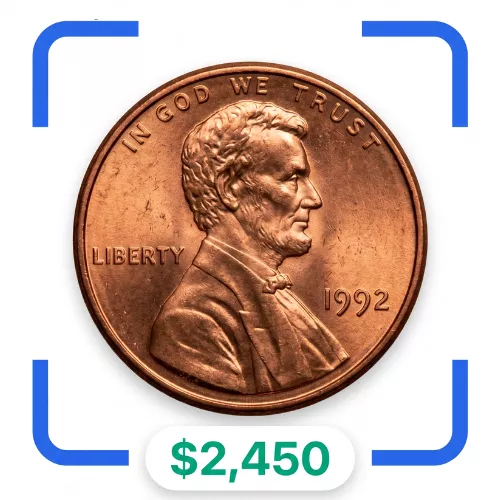


The Denver Mint produced the 1970-D Lincoln cent as a standard circulating copper penny.
This coin comes from the long-running Lincoln Memorial series that collectors have loved for decades.
Like other cents from this era, it was made with a traditional solid copper alloy.
Billions of these pennies left the mint and entered daily pockets, jars, and registers across the country.
Most of them picked up scratches and worn spots right away through normal trade.
A standard 1970 penny is very common in pocket change.
The coin only becomes special when it survives without any wear and keeps its bright red copper shine.
Finding an example that looks like it just dropped from the dies is what makes this issue stand out.
A top-grade specimen of this date achieved a standout price on the open market.
Heritage Auctions sold a premier example for $2,820 in an August 2016 sale.
The coin was certified by professional grading experts at a grade of MS-67 Red.
The MS-67 rating stands for Mint State 67, which represents a nearly flawless uncirculated piece.
The Red designation means the copper has retained almost all of its original bright mint luster without turning brown or red-brown over time.
Coins at this lofty grade level have virtually no visible surface marks under low magnification.
Top collectors compete fiercely whenever a piece certified at this level crosses the auction block.
That buyer competition is why this particular sale reached such a high final bid.
This coin is a classic example of condition rarity.
The value does not come from a die error or a tiny total mintage.
Instead, the high price is tied directly to its exceptional state of preservation.
Copper is a very reactive metal that oxidizes quickly when exposed to air, moisture, or human touch.
Most 1970-D pennies turned brown or picked up bag marks while being shipped in bulk canvas sacks.
Very few coins avoided both handling damage and environmental toning for decades.
Collectors building top-ranking registry sets need the best possible specimens to complete their collections.
Because so few coins qualify for the MS-67 Red grade, demand easily outpaces the tiny supply of pristine survivors.
This fierce competition among serious set builders drives the prices for high-grade pieces far above face value.
You can inspect your penny at home to see if it shows the traits of a high-grade keeper.
First, check the date on the front right side to make sure it reads 1970.
Look directly below the date for a small "D" mint mark, which shows it was made in Denver.
Check the color of the metal under good light to see if it displays a bright, fiery red shine across both sides.
The coin should weigh around 3.1 grams, matching the traditional solid copper composition.
Use a 5x or 10x jeweler loupe to look closely at Lincoln's cheek, jaw, and the flat fields around his portrait.
Make sure there are no hairline scratches, black carbon spots, or contact nicks on either side.
Do not confuse this coin with the famous 1970-S doubled die variety.
The doubled die error features an "S" mint mark and clear doubling on the letters, while this 1970-D is a normal strike with no doubled elements.
If you want a quick opinion before paying for professional grading, you can scan the coin with CoinKnow to get a baseline reading on its appearance.
You can also try Coin Value Checker to look up typical price ranges for similar dates.
Keep in mind that average circulated coins from change are only worth face value, and only lab-certified gems bring top auction prices.
If you are checking pocket change, a closer look at which free coin identifier apps actually works is fast enough to keep up.
Upload a photo and get an instant value, grade estimate, and error check — no jargon, no sign-up required.