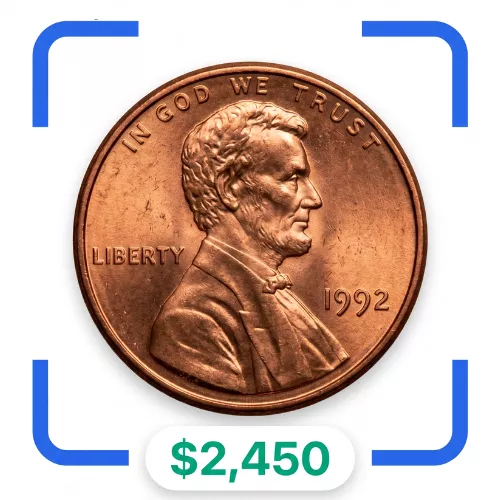


The Denver Mint struck millions of Lincoln cents in 1971.
These pennies were made from a traditional solid bronze alloy with a warm copper color.
You can find this specific issue by looking for the small D mint mark below the date on the front.
Most pocket change pennies from this era show heavy wear from decades of daily spending.
Even uncirculated examples often acquired dark brown tones or spotted surfaces over time.
A specimen that managed to keep its original bright red copper glow from the factory is an entirely different matter.
This coin ranks at number 37 on the list of the 200 most valuable pennies.
A premier example of the 1971-D cent crossed the auction block for $7,475.
Heritage Auctions handled the sale of this piece in June 2014.
Professional coin graders evaluated the penny and awarded it an exceptional grade of MS-67 Red.
The MS stands for Mint State, which means the coin never circulated in daily commerce.
The 67 rating indicates that the coin is nearly flawless with only minuscule contact marks visible under magnification.
The Red designation means the piece retains at least ninety-five percent of its original bright mint luster.
Competitive bidders drove the price to this record level because pieces in this state are rarely offered for sale.
The Denver Mint focused heavily on production speed during the early 1970s.
Workers pushed coin presses to high volumes to keep up with regional demand for small change.
This rapid pace meant quality control took a back seat during the manufacturing process.
Freshly struck pennies frequently dropped into large metal bins, picking up dings, planchet scratches, and contact marks right away.
Heavy coin bags transported the new pennies to local banks, causing even more scuffs during shipping.
Because of this rough handling, finding a 1971-D cent with pristine surfaces is extremely tough.
Copper is also chemically reactive and naturally oxidizes to brown or red-brown over the years.
This combination of rushed production and natural copper aging makes a fully Red MS-67 survivor a true condition rarity.
Advanced Lincoln cent registry set collectors actively compete for the few known top-tier examples.
You can identify this coin by checking the front side right under the 1971 date.
Look for a clear letter D stamped directly below the numbers.
A standard scale will show a weight of approximately 3.1 grams due to its classic 95 percent copper composition.
Inspect the color under a good desk lamp using a 5x or 10x jewelers loupe.
To reach top value, the coin must show vivid fiery orange-red surfaces with zero dark spotting or haze.
Be careful not to confuse this regular issue with the famous 1971 Doubled Die Obverse penny.
That doubled die variety was made in Philadelphia, carries no mint mark under the date, and is a completely separate coin.
If you have trouble reading the fine details or judging surface quality, you can use Coin Value Checker to scan your coin and get a helpful initial assessment.
Keep in mind that typical pocket change finds will not grade MS-67 and will be worth only face value.
Only certified pieces with spotless surfaces and unbroken mint luster command thousands of dollars.
If you inherited a box of these, our roundup of the best free coin identifier apps options is the sane starting point.
Upload a photo and get an instant value, grade estimate, and error check — no jargon, no sign-up required.