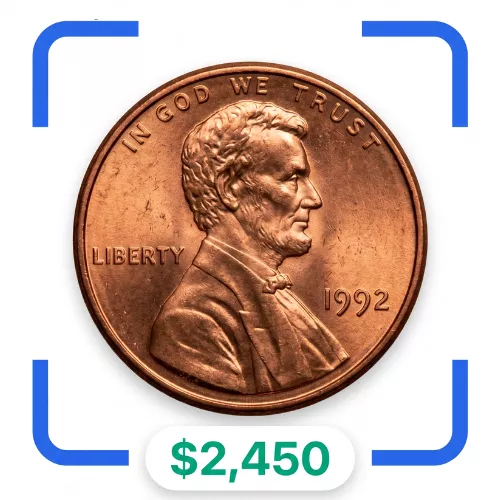


The Denver Mint struck millions of Lincoln cents in 1973.
These pennies were made from a traditional bronze alloy that weighed about 3.1 grams.
You can find this date in old jars and change rolls without looking very hard.
People spent them by the pocketful throughout the 1970s.
Most of those coins wore down or developed dark brown spots over time.
Finding a 1973-D penny that looks the same as the day it left the dies is very difficult.
The standard business strikes from this era were handled roughly by mint workers.
Because of that rough handling, clean pieces with brilliant surfaces are true treasures to collectors.
A top-tier example of this penny made headlines on February 14 at Heritage Auctions.
The winning bidder paid $4,994 for the coin.
Professional grading services certified the penny at an extraordinary grade of MS-67 Red.
The "MS" stands for Mint State, which means the coin never circulated in daily commerce.
A 67 rating is near the top of the standard 70-point grading scale.
It means the coin has a sharp strike and only tiny contact marks that you can barely see.
The "RD" designation shows that the coin kept at least 95 percent of its original bright copper color.
Bidders competed aggressively because finding another Denver penny from this year in this grade is almost impossible.
This coin is a classic example of what collectors call condition rarity.
The 1973-D penny is not rare by mintage numbers.
The Denver Mint produced huge numbers of them to keep commerce moving.
The rarity comes entirely from the quality of preservation.
During the 1970s, machines dumped newly struck pennies straight into large canvas bags.
Coins banged against each other constantly on the way to banks.
This rough process left heavy nicks, scrapes, and bag marks on almost every piece.
On top of that, copper reacts quickly to moisture and air.
Most 1973 pennies turned brown or spotted within a few years of release.
Only a tiny fraction managed to escape bag damage and avoid tarnishing for decades.
Registry set collectors want the highest-graded example for each date and mint.
When two or more wealthy collectors need the same top-grade coin to finish their sets, the price shoots upward.
You can start checking your own coins with a few basic tools.
Use a 5x or 10x magnifying loupe under a good desk lamp.
Look at the front of the coin under the date to find the small "D" mint mark.
Check the surface color to see if it still shows full red copper luster.
If the coin looks brown or has dark fingerprints, it will not qualify for a high-value red grade.
Inspect Lincoln's cheek and jawline for tiny scratches or scuffs.
Look closely at the Lincoln Memorial building on the back for flat spots or contact hits.
To reach MS-67, the fields must look clean and show great eye appeal with no large marks.
If you want a quick opinion before buying special tools, scan the coin using Coin Value Checker to see where it fits.
A quick phone scan can help you sort out ordinary change before you spend money on grading fees.
Keep in mind that almost all 1973-D cents found in pocket change are worth only face value.
Only an untouched, fully red coin certified by a major grading service can command thousands of dollars.
If you have the coin in hand right now, the free coin identifier apps tools we tested side by side can price it immediately.
Upload a photo and get an instant value, grade estimate, and error check — no jargon, no sign-up required.