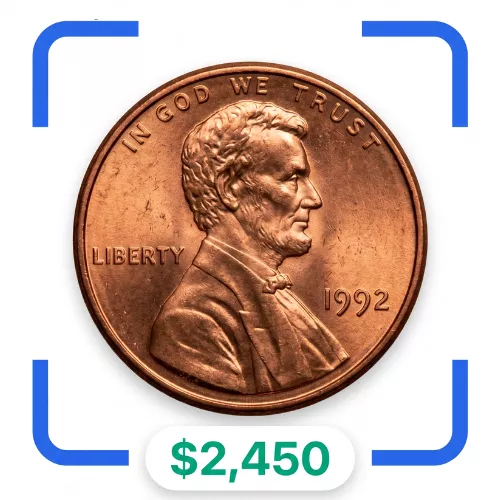


The 1974 Lincoln Cent struck in Philadelphia is a classic modern copper coin.
You will not find a mint mark on this penny, which means it came from the main Philadelphia Mint.
The coin was struck on a traditional 95 percent copper planchet with a weight of 3.1 grams.
The United States Mint produced billions of these pennies for daily commerce during the mid-1970s.
Because they made so many, almost everyone has spent or found a 1974 cent in their pocket change.
Finding one that survived in fresh, factory-bright condition is a completely different story.
One exceptional example of the 1974 penny brought serious money at a public auction.
Stack's Bowers sold this certified coin in January 2013 for an impressive $2,938.
The coin earned a professional grade of MS-67 Red from a top grading service.
The MS stands for Mint State, which means the coin never circulated in pocket change.
A grade of 67 is near the top of the standard 70-point grading scale.
The Red designation means the copper retains nearly all of its original, fiery mint brightness.
Prices at this level happen only when dedicated collectors compete for top-tier registry set coins.
The high price tag comes down to condition rarity rather than total mintage.
Philadelphia struck an enormous number of pennies in 1974, but quality control was not a top priority.
Most coins left the dies with soft details, heavy planchet marks, or contact dings from high-speed production.
Copper also reacts quickly to air, moisture, and handling.
Over the decades, the vast majority of these cents turned brown, developed spots, or suffered from wear.
Finding a 1974 Philadelphia penny in MS-67 with full Red luster is a true statistical long shot.
Serious Lincoln cent collectors need these flawless pieces to complete elite collections, which drives the price up.
To inspect your coin, look at the date on the front right side beneath Lincoln's bust.
Confirm the date reads 1974 and make sure there is no letter below the numbers.
The lack of a mint mark confirms the coin came from the Philadelphia Mint.
Place the coin on a small digital scale to verify it weighs roughly 3.1 grams, showing it is made of solid copper.
Use a 5x or 10x jeweler's loupe under good light to check the surfaces for tiny scratches, carbon spots, or finger oils.
To qualify as Red, the coin must show unbroken, bright orange luster on both the front and back.
If you find a clean penny in an old roll, an app like Coin Value Checker can help you make a quick first pass on its details.
Remember that worn or brown coins pulled from ordinary circulation will only carry face value.
Only coins certified by professional grading services in top mint grades command high auction prices.
The low-effort option is a scanning tool — see the free coin identifier apps tools we tested side by side.
Upload a photo and get an instant value, grade estimate, and error check — no jargon, no sign-up required.