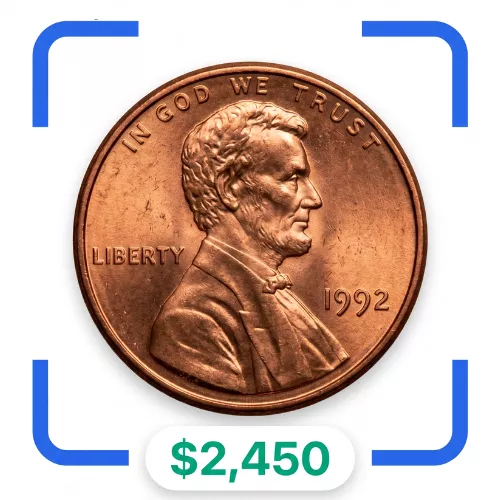


The 1975 Lincoln cent came from the main United States Mint facility in Philadelphia.
Millions of these copper pennies entered daily circulation across the country that year.
Philadelphia coins from this era carry no mint mark beneath the date.
Lincoln cents made in the mid-1970s still used the traditional bronze composition of 95 percent copper.
Most of these pennies saw heavy pocket use, turning brown and wearing down over decades of change transactions.
Because people spent them freely, finding one in truly fresh condition today is a major challenge.
A standard 1975 penny in change is only worth face value, but pristine examples tell a completely different story.
This particular coin holds the nineteenth spot on the list of top Lincoln cent sales.
A premier example of the 1975 cent sold for an astonishing $10,925 at Heritage Auctions.
The winning bid crossed the block during an auction event held on 8/14.
Professional coin graders certified the penny at an extraordinary MS-67 Red grade.
The MS-67 designation stands for Mint State 67 on the standard 70-point coin collecting scale.
That grade indicates a coin that looks nearly as perfect as the second it left the dies.
The "Red" or "RD" label means the copper surface retained at least 95 percent of its original fiery orange glow.
Bidders competed aggressively because finding a 1975 cent that meets such strict grading standards is almost impossible.
This sale set a benchmark price for modern Philadelphia copper cents.
The 1975 penny is not rare by mintage, but it is a true condition rarity.
The Philadelphia Mint produced billions of cents in 1975, yet almost none survived without marks.
Minting standards in the mid-1970s prioritized high-speed production over pristine cosmetic quality.
Coins banged together in giant storage bins right after striking, picking up contact marks immediately.
Bag marks, tiny scratches, and dull spots ruined the chances of most pennies ever grading near MS-67.
Copper also reacts easily to moisture and oxygen in the air, quickly darkening from red to brown.
The MS-67 Red grade eliminates virtually all but the most flawlessly preserved survivors from that year.
Advanced collectors who build complete registry sets will pay top dollar for the finest known example of a date.
That fierce competition between serious collectors drives the price into five figures.
You can start your inspection by checking the date on the front right side of the coin.
Make sure the coin reads 1975 and has no letter mark underneath the date.
A blank space under the date confirms your cent was struck at the Philadelphia Mint.
Next, look at the color of the copper under good, indirect lighting.
A valuable specimen must show full, bright Red mint luster across both the front and back.
If the coin looks brown or even reddish-brown, it will not qualify for the highest grading tiers.
You will need a magnifying loupe with at least 5x power to check the surfaces for flaws.
Look closely at Lincoln's cheek, jaw, and jacket for any tiny dings or hairline scratches.
Turn the coin over and inspect the open fields around the Lincoln Memorial building on the reverse.
To reach a grade like MS-67, a coin can only show a few trivial imperfections under magnification.
Most 1975 pennies pulled from pocket change or old jars show too much wear to bring large sums.
If you want a quick first check on an old hoard, phone tools like Coin Value Checker or CoinKnow can help you scan coins easily.
Keep in mind that only independent, certified grading by major services can unlock five-figure record prices.
For an immediate ballpark figure, take a look at this comparison of every free coin identifier apps worth trying.
Upload a photo and get an instant value, grade estimate, and error check — no jargon, no sign-up required.