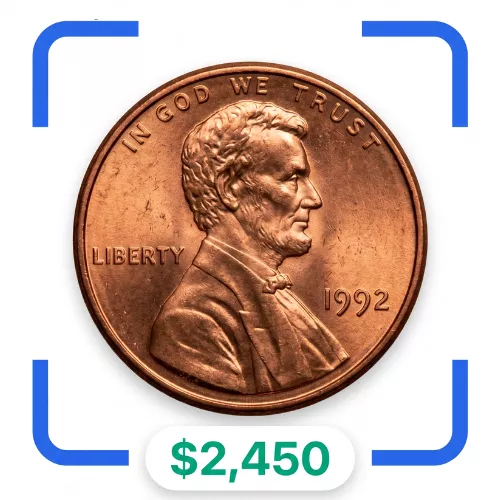


The United States Mint struck the 1979 Lincoln cent in massive quantities for everyday pocket change.
Workers produced these coins at the main mint facility in Philadelphia.
Because it came from Philadelphia, the coin carries no mint mark below the date.
This penny was made during the final years of the traditional solid bronze alloy.
These older pieces contain 95 percent copper, unlike modern zinc pennies.
Copper reacts easily with moisture, skin oils, and open air over time.
Because of this, finding a 1979 cent that looks fresh from the dies is difficult.
Most examples from this year entered circulation right away and wore down quickly.
A top-tier example of this coin brought serious money at an auction.
Heritage Auctions sold a stellar piece for $5,463 in May 2012.
The coin received a certified grade of MS-68 Red from professional graders.
The "MS" stands for Mint State, which means the coin never circulated in daily commerce.
The 68 rating on the standard 70-point scale indicates nearly flawless surfaces.
A coin at this level shows sharp details with almost no contact marks or scratches.
The "Red" or "RD" label means the copper retains its original bright orange mint color.
Serious collectors will pay huge sums for coins that earn this elite grade.
The high value of this specific coin comes down strictly to condition rarity.
The mint made billions of pennies in 1979, so the date itself is not rare at all.
What is rare is finding one that escaped all contact marks and environmental damage.
During production, mint machinery dropped finished coins into large metal bins.
This rough process left small nicks, dings, and bag marks on almost every piece.
After leaving the mint, most copper cents slowly turned brown or developed dark spots.
An MS-68 grade represents the practical quality ceiling for 1970s copper business strikes.
Very few coins survived the decades with full Red color and pristine surfaces.
Registry set collectors compete fiercely whenever an example at this grade appears for sale.
Average worn pennies from 1979 are only worth their basic face value or copper melt value.
You can search your spare change or old rolls for well-preserved 1979 pennies.
First, inspect the date on the front of the coin to confirm it reads 1979.
Look directly below the date to make sure there is no mint mark letter.
No letter confirms that the Philadelphia Mint struck the coin.
Weigh the coin on a precise digital scale to verify its composition.
A genuine 1979 bronze cent should weigh right around 3.1 grams.
Use a 10x magnifying glass to examine the fields and raised design elements.
Check Abraham Lincoln's cheek, jawline, and coat for tiny scratches or bag marks.
Look for bright, glowing orange-red luster across both sides of the coin.
If you see brown toning, dark spots, or fingerprints, the coin will not qualify for a top grade.
You can scan the coin with CoinKnow or Coin Value Checker to get a quick initial assessment of its details.
Keep in mind that only coins graded MS-68 by a major grading service command record prices.
Always hold your coins by the edges so you do not leave damaging finger prints on the metal.
Want a value without learning grading terms first? See this comparison of every free coin identifier apps worth trying.
Upload a photo and get an instant value, grade estimate, and error check — no jargon, no sign-up required.