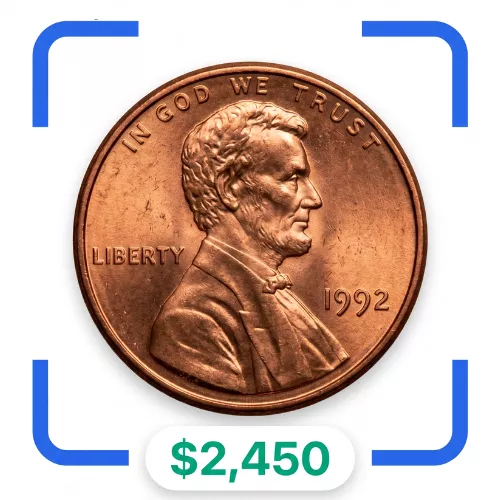


The Philadelphia Mint struck billions of Lincoln cents back in 1980.
These pennies were made from a classic 95 percent copper alloy.
Because they were made in Philadelphia, they carry no mint mark under the date.
Most of these pennies immediately entered daily pocket change and wore down quickly.
Finding a 1980 penny today is very easy, but finding one in pristine collector shape is extremely difficult.
It ranks at number 30 out of 200 on our list of notable coin sales.
This regular-issue coin stands out purely because of its exceptional preservation.
In September 2013, an extraordinary 1980 cent appeared at Heritage Auctions.
Bidders competed aggressively, driving the final price up to $8,338.
Professional coin graders certified this piece at MS-67 Red.
MS stands for Mint State, which means the coin never circulated in trade.
The number 67 indicates a coin with almost no visible contact marks or flaws.
The Red designation means the copper retained nearly all of its original bright orange mint color.
Certified examples at this exact tier rarely come up for public bidding.
That strong grade helped secure its place in modern numismatic auction history.
The high value comes down to what collectors call condition rarity.
The Philadelphia Mint prioritized speed and output over gentle coin handling in 1980.
Heavy machinery dropped fresh cents into large steel bins at high speeds.
This rough mechanical handling left tiny nicks, scratches, and bag marks on almost every piece.
On top of that, copper reacts quickly to moisture and air over time.
Most original 1980 cents turned brown or spotted within a few years of release.
An MS-67 Red survivor from this production era represents an effective ceiling for quality.
Set registry collectors need the finest known grades to compete with each other.
When two wealthy collectors need the same top-tier penny, prices can surge into thousands of dollars.
An everyday 1980 penny from your pocket will not fetch this kind of money.
You can check your own coins at home with a few simple steps.
First, look at the front of the coin under the date 1980.
There should be no mint mark letter beneath the date digits.
Next, weigh the penny on a small digital pocket scale.
A genuine 1980 copper cent should weigh right around 3.1 grams.
Inspect the surfaces using a 5x or 10x magnifying glass under a good desk lamp.
Look for any small brown specks, fingerprints, or contact dings across Lincoln's portrait.
To reach top value, the fields must look clean and mirror-bright with full red luster.
If you want a fast preliminary opinion, mobile scanning tools like CoinKnow or Coin Value Checker can help you identify basic coin types right from your desk.
Keep in mind that only third-party grading services can officially assign the MS-67 Red grade.
Handle your candidate coins only by the edges so your skin oils do not spoil the red surfaces.
The easy path to a value estimate runs through this comparison of every free coin identifier apps worth trying.
Upload a photo and get an instant value, grade estimate, and error check — no jargon, no sign-up required.