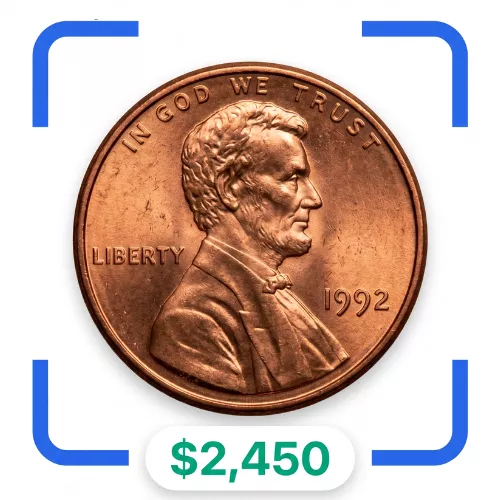


The Denver Mint produced the 1984-D Lincoln Cent as a standard circulation penny.
This coin is part of the long-running Lincoln Memorial cent series.
By 1984, the United States Mint had fully shifted away from solid bronze alloy.
Instead, these coins were made with a zinc core coated in a very thin layer of pure copper.
The RD designation stands for Red, which means the coin retains its bright, original mint luster without toning brown.
Finding a Denver-struck penny from this era with pristine copper plating is far from easy.
In September 2008, a truly exceptional 1984-D cent crossed the auction block at Heritage Auctions.
Bidders competed aggressively, driving the final winning price to $4,025.
Professional coin graders certified the penny at an extraordinary MS-68 Red condition.
Mint State 68 means the coin is nearly perfect to the naked eye and under low magnification.
A grade this high requires an almost complete absence of contact marks, scratches, or manufacturing flaws.
It is important to remember that typical pocket change will never reach this grade or price level.
Only the absolute top-tier certified survivors command this kind of premium from specialized registry set collectors.
The high price tag for this coin comes down purely to condition rarity.
The Denver Mint struck hundreds of millions of pennies in 1984, so the date itself is not rare.
The real issue lies in how the Mint made coins between 1982 and 1986.
During these early zinc years, the plating process was inconsistent and prone to errors.
Tiny pockets of air or contaminants often got trapped beneath the thin copper skin.
Over time, these trapped elements expand and cause unsightly plating bubbles or black corrosion spots across the surface.
Most 1984-D cents developed these blisters right off the dies or after sitting in storage.
An MS-68 RD survivor managed to beat all of those odds by staying completely smooth, clean, and bright for decades.
Collectors building high-end registry sets need these top-grade coins to complete their sets, creating intense competition when one appears.
You can start inspecting your penny by looking closely at the date on the obverse side.
Look below the date 1984 to confirm the small "D" mint mark is present.
A standard zinc cent should weigh approximately 2.5 grams, which separates it from older 3.1-gram bronze issues.
Grab a 5x or 10x jeweler's loupe to scan the open fields around Lincoln's portrait.
Look specifically for tiny pimples, blistered bumps, or dark spots on both sides of the coin.
If you see uneven bubbles in the copper, the coin has common plating issues and will not grade at the top level.
The color must also be a bright, full copper red with no dull brown or faded chocolate tones.
If you want a quick starting point, a mobile app like Coin Value Checker can help you identify basic coin details right from your phone.
Do not expect an everyday pocket change find to be worth thousands of dollars.
To reach record prices, your 1984-D penny must be essentially flawless and certified by a major grading service.
Want to know if it is worth keeping? our roundup of the best free coin identifier apps options tells you quickly.
Upload a photo and get an instant value, grade estimate, and error check — no jargon, no sign-up required.