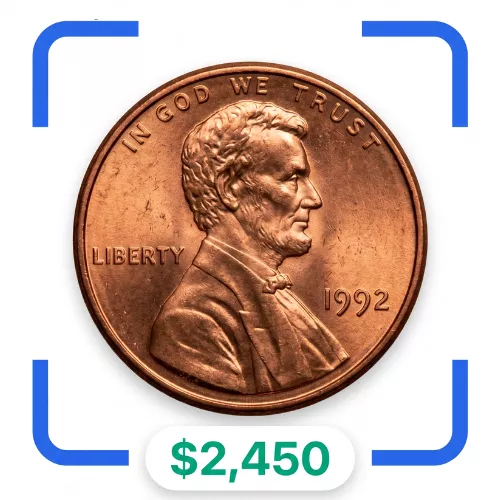


The Philadelphia Mint struck regular Lincoln cents in 1986 using a copper-plated zinc planchet.
The United States switched to this zinc-core composition in 1982 to cut production costs.
Because it was made in Philadelphia, the coin carries no mint mark beneath the date.
These modern pennies were minted by the billions for everyday pocket change.
Finding a standard 1986 penny in your change is very common.
Finding one preserved in pristine condition with its original red copper color is an entirely different story.
Most examples entered circulation immediately and quickly showed signs of wear.
Those that were saved often developed surface problems over time due to the reactive zinc core.
A pristine example of this coin made headlines when it crossed the auction block.
Heritage Auctions handled the sale of the piece in November 2014.
The final winning bid reached an astonishing $8,225.
Professional grading services evaluated this specific penny and certified it at MS-68 Red.
The MS stands for Mint State, which means the coin never circulated in commerce.
On the standard 70-point grading scale, a 68 represents near perfection.
The "Red" or RD designation indicates that the coin retains its full, bright original copper shine.
Top collectors compete aggressively for condition records like this, which drives prices to exceptional levels.
The massive mintage of the 1986 cent means the date itself is not rare at all.
The value comes entirely from what numismatists call condition rarity.
Pennies made from copper-plated zinc in the mid-1980s are notoriously unstable.
The thin copper wash often had microscopic pores that let air and moisture reach the zinc underneath.
This chemical reaction causes black spots, zinc rot, and cloudy discoloration on the surface.
Even rolls set aside in original mint packaging usually deteriorate over the decades.
A specimen surviving at the MS-68 level without carbon spots, bubbles, or dulling is an extraordinary survivor.
Set registry collectors need the finest known grades to complete their high-end collections.
When an elite survivor comes to market, multiple specialized buyers bid the price up rapidly.
You can inspect your own change with a few simple steps.
First, check the date on the front of the coin to confirm it reads 1986.
Look below the date to make sure there is no small letter, which confirms it came from Philadelphia.
A standard zinc cent should weigh approximately 2.5 grams.
Examine the color under good lighting to see if it shows bright, original orange-red copper tones.
Brown or faded pennies will only carry face value.
Use a magnifying glass or a ten-power jeweler's loupe to scan the surfaces on both sides.
Look closely at Lincoln's cheek, the open fields, and the Lincoln Memorial columns on the reverse.
To reach an elite grade, there cannot be visible scratches, contact marks, dark spots, or zinc bubbles.
If you want a quick starting point, a mobile tool like Coin Value Checker can help you examine the details before you consider paying for professional certification.
Remember that raw pocket change will almost never match the museum-level quality of an MS-68 record setter.
A quick photo scan beats manual lookup most days — see a closer look at which free coin identifier apps actually works.
Upload a photo and get an instant value, grade estimate, and error check — no jargon, no sign-up required.