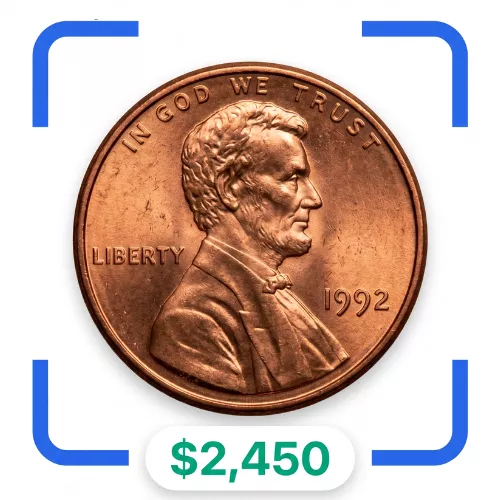


The 1989 Lincoln cent is a common modern coin that millions of people use every day.
The Philadelphia Mint struck these pennies in huge quantities without a mint mark.
Like other modern cents, it has a core made of zinc coated in a thin layer of pure copper.
Coins with the RD label show the bright red shine of freshly minted copper.
Finding a standard 1989 cent in your pocket change is extremely easy.
Finding one that survived in flawless mint condition is another story entirely.
This date ranks number 70 on our list of the 200 most valuable pennies.
A top-grade example of this coin shocked collectors when it hit the auction block.
Heritage Auctions handled the sale on June 13.
Bidders competed until the final hammer price reached $4,113.
The coin was certified in a remarkable grade of MS-68 Red.
The MS stands for Mint State, which means the coin never circulated in daily trade.
On the standard grading scale up to 70, an MS-68 grade represents near-perfect quality.
A certified grade this high requires nearly untouched surfaces under strong magnification.
Most 1989 pennies are only worth face value, but this certified piece set a major record.
Billions of these pennies were made, so the coin itself is not rare by mintage.
The real driver behind the high price is condition rarity.
The zinc core used in modern cents creates big challenges for long-term preservation.
Zinc reacts easily with moisture and air over time.
Small plating blisters, black spots, and dull gray patches quickly ruin the bright copper finish.
The high-speed coin presses of the late 1980s also left tiny nicks and scratches on almost every piece.
To earn an MS-68 Red grade, a penny must avoid all of these typical production flaws.
Collectors who build top-ranked registry sets pay large sums for the finest known examples of modern dates.
Start by looking at the date on the front right side of the coin.
Check the area below the date for a mint mark.
Philadelphia coins have no letter beneath the date.
Place the penny on a small digital scale to confirm its weight.
A genuine zinc cent weighs about 2.5 grams, unlike older copper coins that weigh 3.11 grams.
Next, examine the color and luster under a strong desk lamp.
The surfaces should display a full, brilliant red color with zero brown toning.
Use a 5x or 10x magnifying glass to inspect the portrait of Abraham Lincoln.
Look closely for tiny scratches, contact marks, or bubbling under the copper skin.
A single visible spot or contact mark will keep the coin from reaching a grade like MS-68.
If you want a fast way to scan your pocket change, the CoinKnow app can help you check your coin on the spot.
You can also use the Coin Value Checker app to look up market details for different grades before sending a coin for professional certification.
Remember that almost every 1989 penny you find in circulation is only worth one cent.
Only an exceptionally preserved coin sent to a major grading service can achieve high auction prices.
If you would rather not memorise mint marks, the free coin identifier apps tools we tested side by side reads them for you.
Upload a photo and get an instant value, grade estimate, and error check — no jargon, no sign-up required.