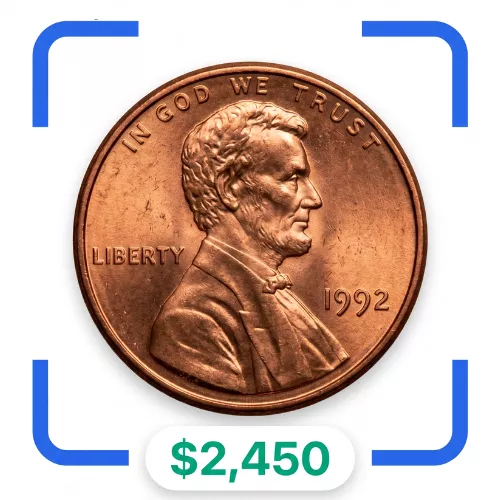


The Denver Mint produced billions of Lincoln cents in 1990.
Like other pennies made during this era, these coins have a copper-plated zinc core rather than solid bronze.
The United States Mint switched to this zinc composition in 1982 to cut production costs.
Zinc cents are known for being difficult to preserve over long periods.
The thin copper plating can easily bubble, tarnish, or corrode if exposed to air or moisture.
Because of this, finding a 1990-D cent with vibrant red color and zero marks is surprisingly tough.
Most of these coins quickly developed spots or wear in everyday pocket change.
In September 2019, one exceptional specimen caught the eye of serious collectors.
The coin was offered through Legend Morph auctions.
When the bidding ended, the piece sold for an impressive $2,938.
Professional grading services certified this particular coin at MS-69 Red.
Mint State 69 is just one step below absolute perfection on the standard 70-point grading scale.
At this grade level, a coin can show only one tiny, trivial flaw under close inspection.
The "Red" designation confirms that the coin still shows its original, full copper luster without toning brown.
Collectors were willing to pay a massive premium because almost no other 1990-D pennies exist in this state.
A standard 1990-D penny in your pocket is worth only face value.
The high price tag comes down entirely to condition rarity.
Modern zinc pennies were struck quickly and tossed into huge storage bins at the mint.
This rough handling created contact marks and bag scratches before the coins even left the facility.
On top of that, microscopic flaws in the zinc plating often cause dark spots over time.
For a penny to survive for decades without picking up hits or oxidation is extremely unusual.
Set Registry collectors compete hard to own the highest-graded example of every modern date.
When an MS-69 example appears on the market, top buyers fight for the chance to upgrade their collections.
You can easily check your change to see if you have the right date and mint mark.
Look on the front of the penny, just beneath the date 1990.
You should see a small "D" stamped below the numbers, which shows it was struck in Denver.
The coin should weigh around 2.5 grams, which matches the standard weight of a zinc cent.
Inspect the color under a good desk lamp to make sure the surfaces look fully bright red, not brown or faded.
Grab a 5x or 10x magnifying glass to look closely at Lincoln's cheek, shoulder, and the open fields.
To reach a top grade, the coin cannot have visible scratches, carbon spots, or plating blisters anywhere.
If you are sorting through a pile of coins and want a fast first pass, you can scan them with CoinKnow or Coin Value Checker.
Keep in mind that finding an actual MS-69 example in circulation is nearly impossible.
Only coins certified by major grading companies can command record-breaking auction prices.
Want a faster way to price your coin? Take a look at a closer look at which free coin identifier apps actually works.
Upload a photo and get an instant value, grade estimate, and error check — no jargon, no sign-up required.