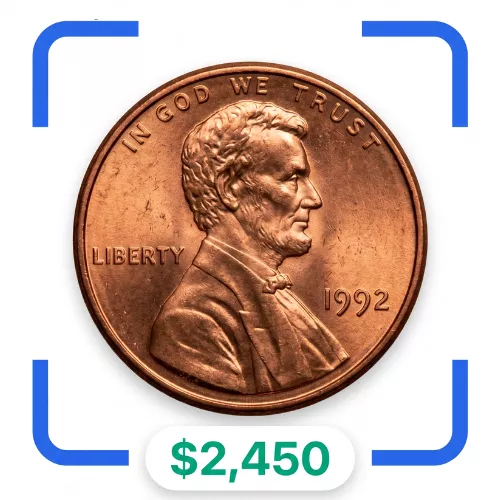


The Denver Mint struck the 1996-D penny as part of the ongoing Lincoln cent series.
Like other modern cents made after 1982, this coin consists mainly of zinc with a thin copper wash.
The "RD" in its name stands for Red, meaning the coin retains its original bright copper color from the day it was made.
Billions of these pennies entered circulation, so finding a regular 1996-D in your pocket change is common.
What makes this specific piece stand out is not its rarity as a date, but its nearly flawless physical condition.
Denver produced huge numbers of coins that year, but very few survived without factory marks or contact damage.
A pristine 1996-D Red Lincoln cent sold for $3,565 at an auction held by Bowers & Merena in November 2008.
Professional coin graders certified the penny at an extraordinary grade of MS-69 Red.
The Sheldon coin grading scale tops out at 70, which means a grade of MS-69 is practically perfect.
A coin graded MS-69 shows full original luster and can have only one tiny, nearly invisible flaw under 5x magnification.
High-end registry set collectors compete aggressively for top-grade modern coins, which drove the bidding up to thousands of dollars for a one-cent piece.
Most 1996-D pennies in circulation are worth only face value, so this auction price represents an extreme outlier.
The main driver behind this high price is extreme condition rarity rather than an unusual variety.
Striking zinc cents cleanly has always been difficult for the United States Mint.
Zinc planchets often develop tiny gas bubbles, streaks, and dark spots under the thin copper plating.
Finding a Denver zinc cent from the mid-1990s without any of these plating flaws is very difficult.
Most pieces received microscopic contact marks from tumbling into large storage bins directly from the coin presses.
A 1996-D cent that avoided all plating defects, bag marks, and oxidation is exceptionally scarce.
Collectors who build top-ranked sets will pay substantial sums to secure the single finest known specimen for their collections.
You can begin checking your coin by looking closely at the date and mint mark on the front.
Look below the date 1996 for the "D" mint mark, which shows the coin was made in Denver.
A standard modern zinc cent should weigh 2.5 grams, unlike older copper cents that weigh 3.11 grams.
Examine the color under good lighting to confirm that it shows bright, original orange-red copper across both sides.
If you are not sure what you have found in your change, you can use CoinKnow or Coin Value Checker on your phone for a quick first pass.
Use a 5x or 10x magnifying glass to inspect the flat fields around Lincoln's portrait.
Check for tiny blisters, black spots, hairline scratches, or small dings anywhere on the surfaces.
A coin with even a few minor handling marks or dark zinc spots cannot reach the MS-69 grade required to command thousands of dollars.
Want to check a whole jar of coins quickly? this comparison of every free coin identifier apps worth trying makes that practical.
Upload a photo and get an instant value, grade estimate, and error check — no jargon, no sign-up required.